Most general contractors we work with at Ladder 48 have no idea where they stand with SEO. They’re losing leads to competitors who rank higher, but they don’t know why.
Your SEO maturity level determines how many qualified customers find you online. This assessment shows you exactly what’s working, what’s broken, and where to focus next.
What SEO Maturity Really Means for Your Lead Pipeline
Understanding the Five Pillars of SEO Maturity
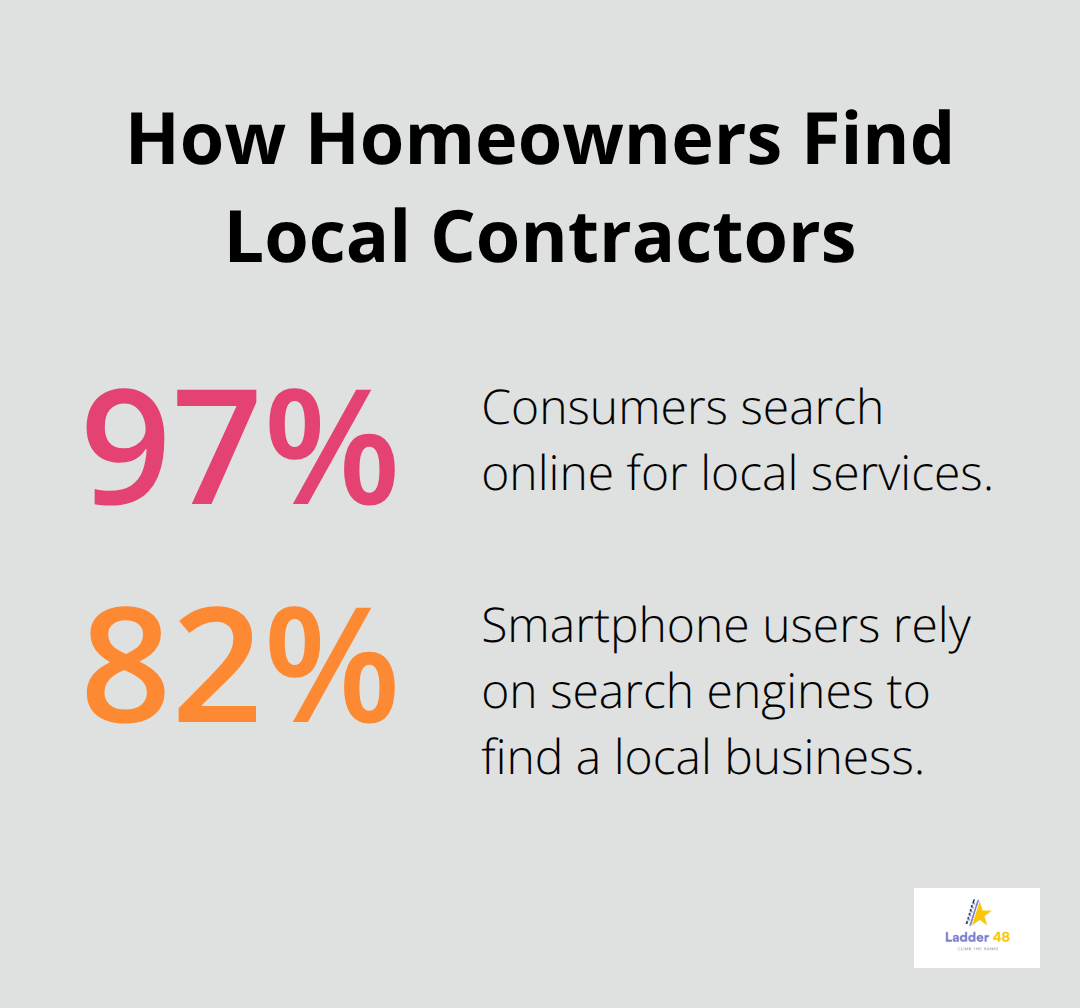
SEO maturity measures how organized and effective your online presence is at attracting customers through search. Most contractors operate at the lowest level-a basic website with a few pages, minimal optimization, and no strategy behind it. According to Think with Google, 97% of consumers search online for local services, and 82% of smartphone users rely on search engines when looking for a local business. Yet the average contractor website ignores this reality.
They haven’t claimed their Google Business Profile properly, they’re missing location keywords on their pages, and they have no idea which keywords their competitors rank for.
The maturity framework evaluates your progress across five areas: technical foundation (site speed, mobile responsiveness, crawlability), content and relevance (keywords, local pages, depth), authority (backlinks, reviews, brand mentions), support systems (tools and measurement), and strategy clarity (what you’re actually trying to win).
The Three Levels of Contractor SEO Maturity
A contractor at the starter level operates with a WordPress site and a neglected Google Business Profile listing. One at the intermediate level has optimized pages for key service areas, maintains consistent citations across directories, and tracks organic traffic. An advanced contractor dominates local pack results, publishes targeted content regularly, builds local authority through partnerships, and ties SEO directly to revenue. The leap between levels isn’t small-it’s the difference between invisible and booked jobs.
How Maturity Translates to Actual Leads
Lead generation is where maturity shows its teeth. A contractor at low maturity gets maybe 2–5 organic leads per month, if any. Those at intermediate level typically see 10–20 organic leads monthly, plus consistent Google Business Profile actions like calls and directions requests. Advanced contractors in competitive markets generate 30–50+ qualified leads from organic search alone, with measurable cost-per-lead metrics under $150.
Why Immature SEO Loses Deals
The gap exists because immature SEO doesn’t compete. If your site isn’t mobile-optimized, Google ranks it lower-and 63% of consumers use your website as their primary way to find and engage with you. If you’re missing location pages targeting specific cities, you lose searches for “kitchen remodeling in Denver” or “roofing contractor in Boulder.” If your Google Business Profile listing has outdated hours, missing photos, or zero reviews, potential customers skip you for the competitor with a polished profile.
Competitors who’ve invested in SEO maturity occupy the top positions and the local pack, capturing the traffic your business needs. The contractors losing deals aren’t necessarily worse at their trade-they’re just invisible where customers are searching. This is exactly where your assessment begins.
Where Does Your SEO Actually Stand
Most contractors haven’t systematically audited their SEO position, which means they’re flying blind. Three specific assessments reveal where you stand and what’s holding you back.
Test Your Website’s On-Page Fundamentals
Open Google PageSpeed Insights and test your site on mobile and desktop. If your site loads slower than 3 seconds on mobile, you’re already losing clicks-Google prioritizes fast sites, and slow pages rank lower. Check your title tags and meta descriptions on your five most important service pages. They should include your location and service type, like “Kitchen Remodeling in Denver” or “Roof Repair in Boulder.” Generic titles like “Home” or “Services” make you invisible to search intent.
Audit Your Google Business Profile Strength
Log into Google Business Profile and verify your hours are accurate, your category is correct, and you have at least 15 recent photos showing actual work. Count your reviews and check your average star rating. Fewer than 10 reviews or a rating below 4.5 stars signals your biggest local SEO weakness right now.
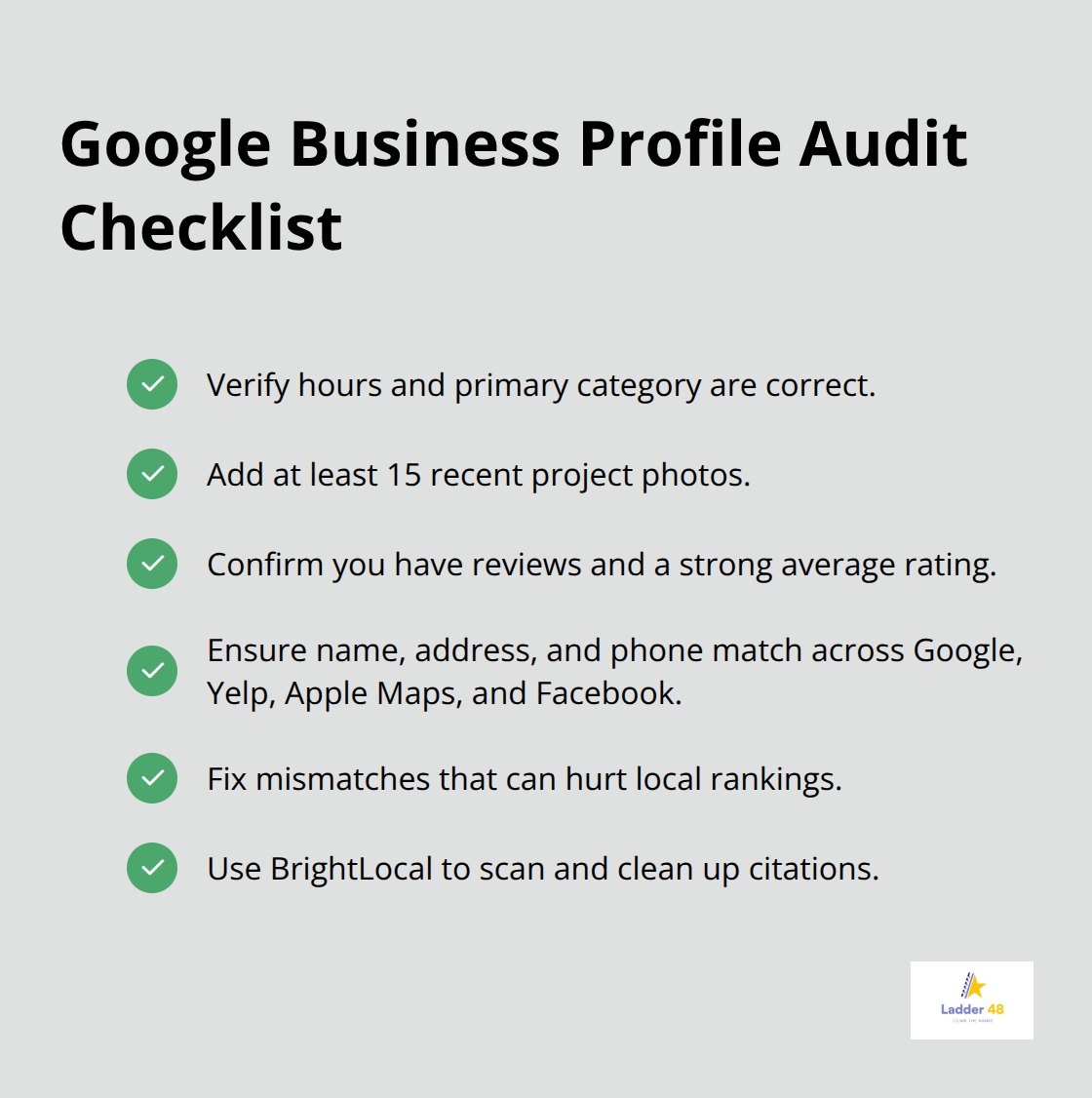
Verify that your business name, address, and phone number match exactly across Google, Yelp, Apple Maps, and Facebook. Mismatches destroy local rankings-search engines see conflicting information and downrank you. Use BrightLocal to scan your citations and identify discrepancies automatically.
Analyze Your Competitive Position
Pick your three toughest local competitors and search Google for the keywords you want to rank for, like “general contractor near me” or your specific service in your city. Write down which competitors appear in the local pack and which ones rank in organic results. Use Ahrefs or SEMrush to see which keywords they rank for that you don’t. This reveals gaps in your content strategy immediately. Check their Google Business Profile photos, review count, and posting frequency-if they post monthly and you haven’t posted in six months, that’s a competitive disadvantage. Examine their website structure. Do they have dedicated pages for each service area or each city they serve? Do they publish blog content regularly? Count their backlinks using Ahrefs and identify where those links come from. Are they getting links from local directories, trade sites, or news outlets? That shows exactly what authority-building tactics work in your market.
Track Your Current Rankings and Click Performance
Track your own organic rankings using Google Search Console for free, or Ubersuggest for a paid option. Which of your pages get impressions but few clicks? That means you’re ranking but your title and description aren’t compelling enough to convert searchers into visitors. These three assessments-your on-page health, your local profile strength, and your competitive position-form your baseline. Without this baseline, any SEO work you do becomes guesswork rather than strategy.
Once you understand where you stand, the next step is identifying which gaps will move the needle fastest. Not all SEO improvements deliver equal returns, and knowing your priorities separates contractors who waste money from those who build real momentum.
Building an SEO Foundation That Works
Your website’s technical health determines whether Google can find and rank your pages at all. Start with mobile responsiveness-Google indexes mobile-first, meaning if your site isn’t mobile-friendly, you rank lower than competitors who are. Test your site on Google PageSpeed Insights and try for a mobile score above 80. If your site loads slower than 3 seconds on mobile, you lose clicks; contractors with fast sites see 20–30% higher click-through rates from search results.
Structure Your Site for Search and Customers
Check your site structure next. Google ranks individual pages, not entire sites, so you need a clear hierarchy. Create dedicated pages for each service you offer and each geographic area you serve. A roofing contractor in Denver should have separate pages for roof repair in Denver, roof replacement in Denver, and new roof installation in Denver. These location-specific pages capture searches where customers add their city name.
Use schema markup from Schema.org to tell Google exactly what your business does. Add LocalBusiness schema to your homepage with your address, phone number, and service areas. Add Service schema to your service pages. Structured data doesn’t rank pages by itself, but it helps Google understand your content faster and can trigger rich results in search listings.
Answer the Questions Your Customers Actually Ask
Content strategy for contractors isn’t about publishing blog posts for SEO points-it’s about answering the specific questions your customers ask before they call. Most B2B construction buyers perform 8–12 online searches before engaging, according to industry research. Start with your FAQ page. Use AnswerThePublic to find trending questions related to your services. Search for “kitchen remodeling” or “roof repair” and the tool shows actual questions people search for. Write content that answers these questions directly.
A page titled “How Much Does a Kitchen Remodel Cost in Denver?” will rank for that exact search and attract customers ready to hire. Publish one to two pieces of content per month initially. Don’t aim for volume early; aim for relevance. A single 1,500-word page answering a specific customer question ranks better than five thin blog posts covering nothing in depth.
Internal linking accelerates ranking. When you publish a new service page for roof repair, link to it from your homepage and your main services page using anchor text like “roof repair services.” This tells Google which pages matter most and distributes ranking power across your site. Track which pages get organic traffic but low clicks using Google Search Console. These pages rank but your title and meta description aren’t compelling. Rewrite them to include a benefit or urgency, like “Emergency Roof Repair in Denver Available 24/7” instead of “Roof Services.”
Build Trust Through Citations and Consistency
Citations are your business name, address, and phone number listed on third-party websites. Google uses citation consistency to verify your business is real and local. Inconsistencies destroy local rankings. Claim and optimize your listings on Google Business Profile, Yelp, Apple Maps, Facebook, and Nextdoor first. These matter most. Then add citations on industry-specific directories like Houzz, Angie’s List, and HomeAdvisor.
Accuracy is non-negotiable-your business name, address, and phone number must match exactly across every listing. If your Google Business Profile says 123 Main Street and Yelp says 123 Main St, that mismatch signals to Google that your information is unreliable. Use BrightLocal to scan your citations and identify discrepancies automatically. For multi-location contractors, citation maintenance becomes critical. One contractor with five locations across Colorado must maintain consistent information across all directories, or local rankings suffer across all markets.
Leverage Photos and Reviews for Local Authority
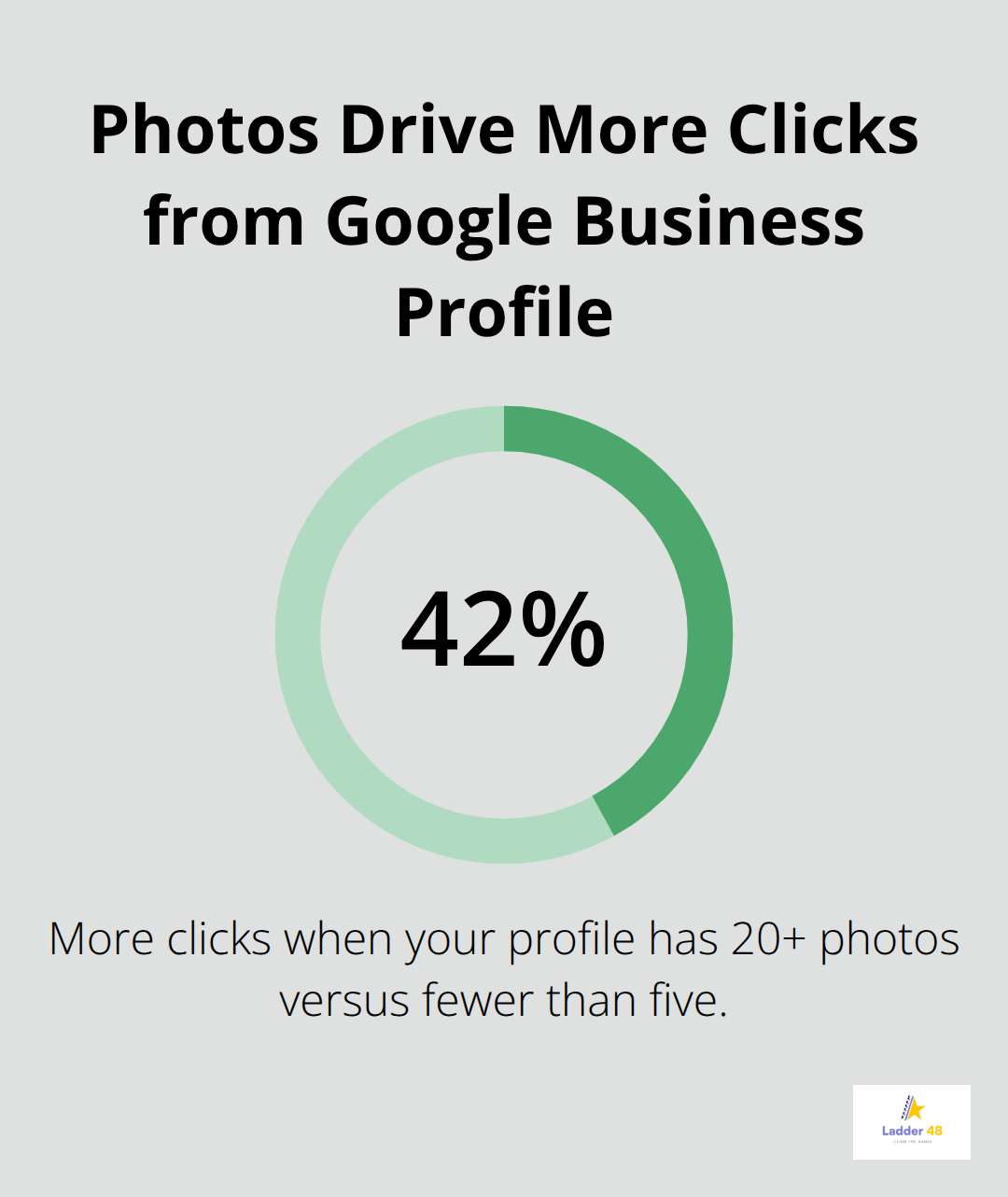
Add high-quality photos to every listing. Google Business Profile photos are the second-most important ranking factor after review quantity. Upload 15–20 photos showing your actual work, your team, and your office. Contractors with 20+ photos on Google Business Profile see 42% more clicks to their website than those with fewer than five photos.
Request reviews actively. A contractor with 30 reviews ranks higher than one with eight reviews, all else equal. Email recent customers asking for a review within 48 hours of job completion. Respond to every review-positive reviews build trust, and responding to negative reviews shows you care about customer satisfaction. Google sees active review management as a ranking signal.
Conclusion
Your SEO maturity assessment reveals exactly where you stand and what moves the needle fastest. Most contractors lose leads not because they build worse work, but because they remain invisible where customers search. The contractors winning in your market claimed their Google Business Profile, optimized their site for mobile, built consistent citations across directories, and published content that answers real customer questions.
The gap between low and advanced general contractor SEO maturity translates directly to revenue. A contractor at low maturity generates 2–5 organic leads monthly, while one at intermediate level sees 10–20 leads plus consistent Google Business Profile actions. Advanced contractors in competitive markets pull 30–50+ qualified leads from organic search alone, and that difference compounds over months and years.
Your next move depends on your current position. If you haven’t claimed your Google Business Profile or optimized it with photos and accurate information, start there-it delivers the fastest path to local visibility. We at Ladder 48 help growing contractors move from invisible to booked by combining technical SEO, local optimization, and content strategy tailored to how customers actually search for your services, so schedule a discovery call with our team to discuss your specific situation and what’s possible for your business.