Most contractors lose leads because their websites don’t show up in local search results. Google’s algorithm prioritizes businesses that nail technical setup, local signals, and location-specific content.
We at Ladder 48 built this contractor SEO checklist to cut through the noise. Follow these steps and you’ll rank higher for the searches that actually convert in your service area.
Build Technical SEO That Search Engines Actually Reward
Your website’s technical foundation determines whether Google can crawl, index, and rank your pages. Most contractor websites fail here, which is why they lose leads to competitors who invested time in the basics.
Site Speed Directly Impacts Your Lead Flow
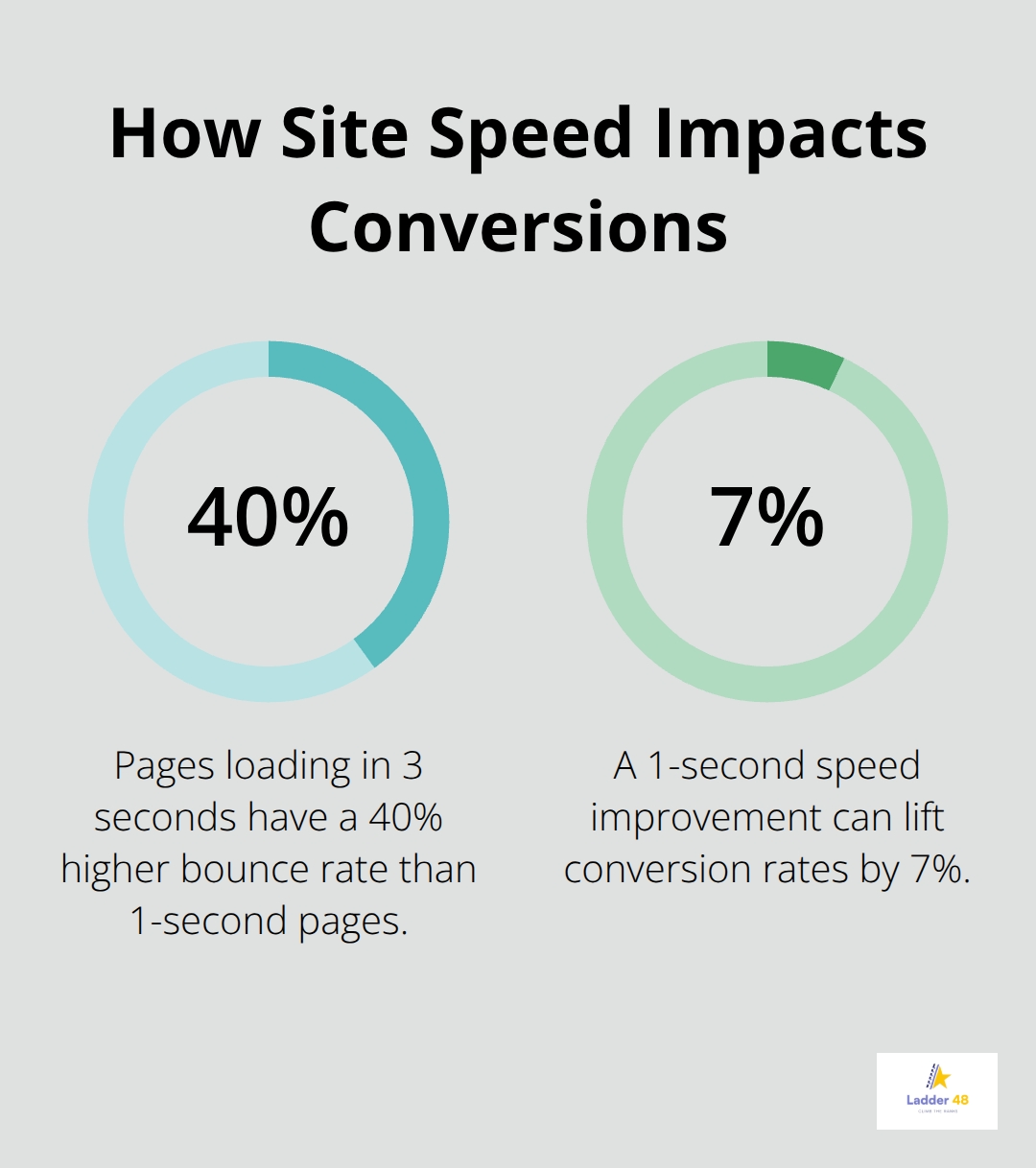
Site speed matters more than ever. Google reports that pages loading in three seconds have a 40% higher bounce rate than pages loading in one second. For contractors, this translates directly to lost inquiries. A one-second speed improvement can lift conversion rates by 7% according to e-commerce data that applies equally to service-based websites.
Test your site on a real mobile device, not just your desktop browser. Use Google PageSpeed Insights to identify specific bottlenecks, then prioritize fixing images (compress them to under 100KB), removing unused JavaScript, and enabling browser caching. These technical wins compound over time and directly affect your ability to capture leads.
Mobile Responsiveness Is Your Primary Ranking Factor
Mobile responsiveness isn’t optional anymore. 96% of people search for local businesses on mobile devices, and Google’s mobile-first indexing means your mobile experience is your primary ranking factor. If your site doesn’t work smoothly on phones and tablets, Google ranks it lower and potential customers bounce away.
Test every page on actual mobile devices. Verify that buttons are large enough to tap, text is readable without zooming, and forms submit without friction. Mobile performance directly determines whether searchers call you or click to a competitor.
Schema Markup Tells Google What You Do
LocalBusiness schema markup is non-negotiable for contractor visibility. This structured data helps Google understand your business name, address, phone number, service areas, hours, and reviews without guessing. Add Service schema to describe what you actually offer-plumbing repair, kitchen remodeling, electrical installation-with pricing ranges and service area coverage.
This signals relevance for specific local searches and can improve your appearance in rich results. Implement this markup on your homepage, service pages, and location pages using Schema.org guidelines. Test your markup with Google’s Rich Results Test to confirm there are no errors. A properly implemented schema doesn’t guarantee rankings, but missing it almost guarantees you’ll lose ground to competitors who have it.
Structure Your URLs for Clarity and Rankings
URL structure influences both user experience and SEO performance. Use clean, descriptive URLs that include your primary keyword and location when relevant. For example, yoursite.com/kitchen-remodeling-phoenix works better than yoursite.com/services?id=2847. Avoid deep nesting-keep important pages within two or three clicks of your homepage.
Internal linking through a logical site structure helps Google understand which pages matter most and distributes ranking authority where it counts. Link from your homepage to core service pages, then from service pages to location-specific pages. This hierarchy signals to Google that your primary services deserve visibility, and it helps visitors navigate without getting lost. With your technical foundation solid, you’re ready to build the local signals that actually drive contractor leads.
How to Build Local Authority Google Actually Rewards
Claim and Perfect Your Google Business Profile
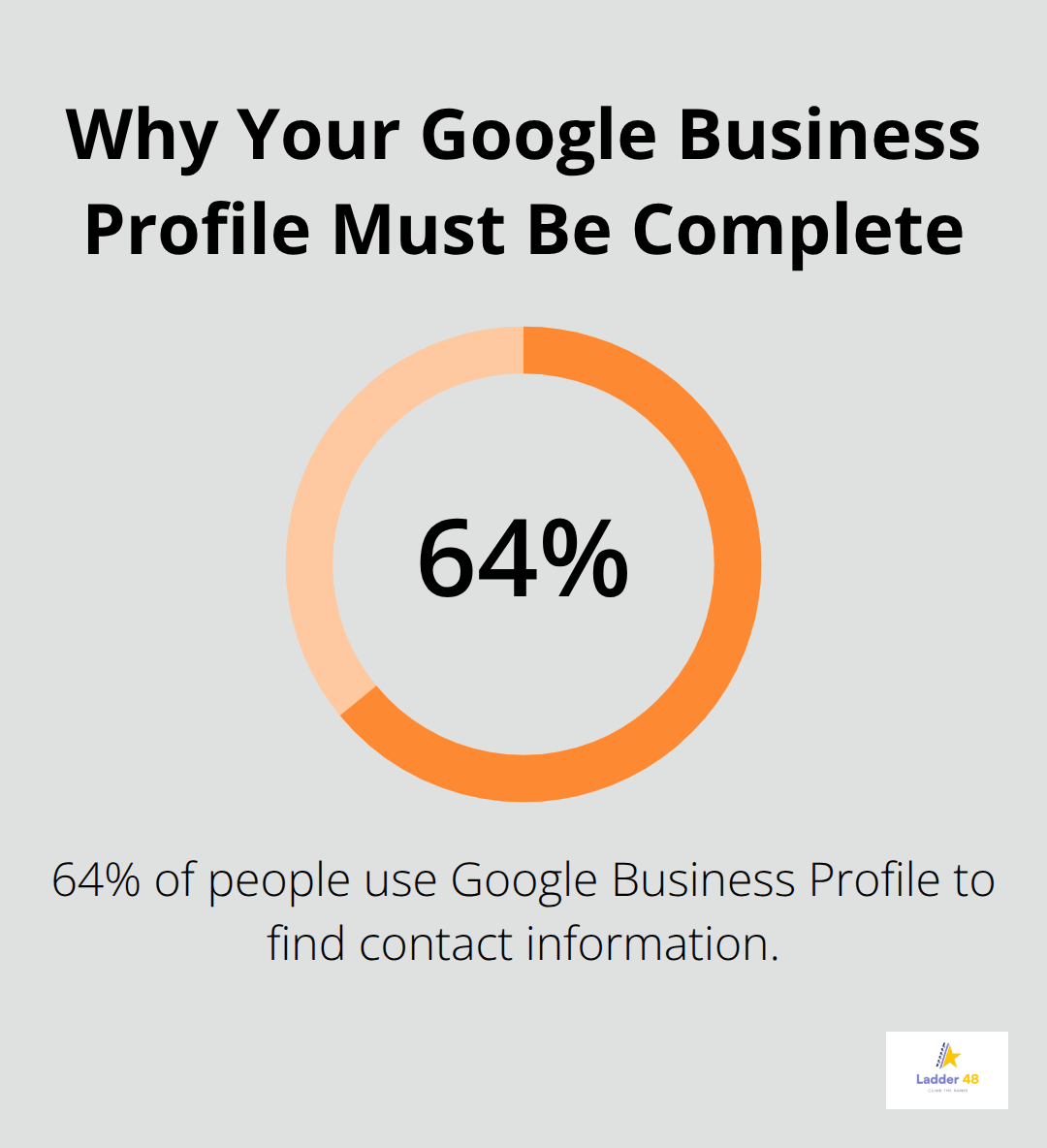
Your technical foundation gets Google’s attention, but local signals make Google trust you enough to rank you. Google Business Profile is where this starts. Claim your profile immediately if you haven’t already, then fill every single field with accuracy and specificity. Your business name must match exactly what appears on your website and invoices-no variations, no abbreviations. Your address should be your actual service location or office, not a virtual address. Your phone number needs to be a real line that rings at your business. According to Google, 64% of people use Google Business Profile to find contact information, which means incomplete profiles directly cost you leads.
Select Categories and Upload Real Project Photos
Choose your primary category with surgical precision. If you’re a kitchen remodeler, select Kitchen Remodeler, not General Contractor. Add two to three secondary categories like Bathroom Remodeler or Flooring Contractor if they apply. Upload at least five high-quality photos of actual completed projects with before-and-after shots. Geotagging these images with location data strengthens local relevance and signals authenticity to potential customers.
Keep Your Profile Active and Engaged
Post weekly updates on your Google Business Profile about recent projects, seasonal services, or special offers. Answer questions proactively in the Q&A section before customers ask them. This active management signals to Google that your business is current and engaged, which directly influences your local rankings.
Build Citations Across Industry Directories
Local citations on industry directories reinforce your authority far beyond your website. Houzz, Angi, Yelp, HomeAdvisor, and the Better Business Bureau are non-negotiable. Your name, address, and phone number must be identical across every platform-not similar, not close, identical. One typo or variation can fragment your local authority and confuse Google’s ranking algorithm. Audit your existing citations using BrightLocal, which scans over 100 directories and flags inconsistencies. Fix every mismatch immediately.
Earn Backlinks Through Real Local Partnerships
Once citations are clean, earn local backlinks through real community relationships. Sponsor a local charity event and ask them to link to your site. Partner with local interior designers, real estate agents, or architects who can reference your work. Contribute to your local chamber of commerce and request a link. These connections generate backlinks that matter because they come from trusted local sources, not spam directories. When you combine a bulletproof Google Business Profile, consistent citations across major directories, and genuine local partnerships, you create a competitive advantage that competitors struggle to overcome. With these local signals in place, your website is ready to convert searchers into leads through strategic, location-specific content.
How to Win Contractor Searches in Your Service Area
Research the Exact Searches Your Customers Perform
Your technical foundation and local signals convince Google to trust you. Now you need content that converts the searches your target customers actually perform. Most contractors fail here because they write generic service pages instead of targeting the specific searches happening in their neighborhoods. A homeowner searching for kitchen remodeling in Phoenix isn’t the same as one searching in Scottsdale, and Google knows it.
Start with keyword research using Google Keyword Planner or SEMrush to identify what people search for in each city you serve. Look for patterns like kitchen remodeling Phoenix, bathroom renovation Scottsdale, or HVAC repair near me combined with your neighborhood. Check Google’s autocomplete suggestions and the People Also Ask section for each location to understand what questions your potential customers ask. This research tells you exactly which pages to build and which topics to cover.
Build Location Pages That Rank for Specific Geographic Searches
The 2026 Whitespark survey found that on-page signals account for 36% of local ranking factors according to SEO professionals, which means your content strategy directly impacts whether you appear in local search results. Create dedicated landing pages for each geographic area and service combination you target, not generic pages that try to rank for everything at once.
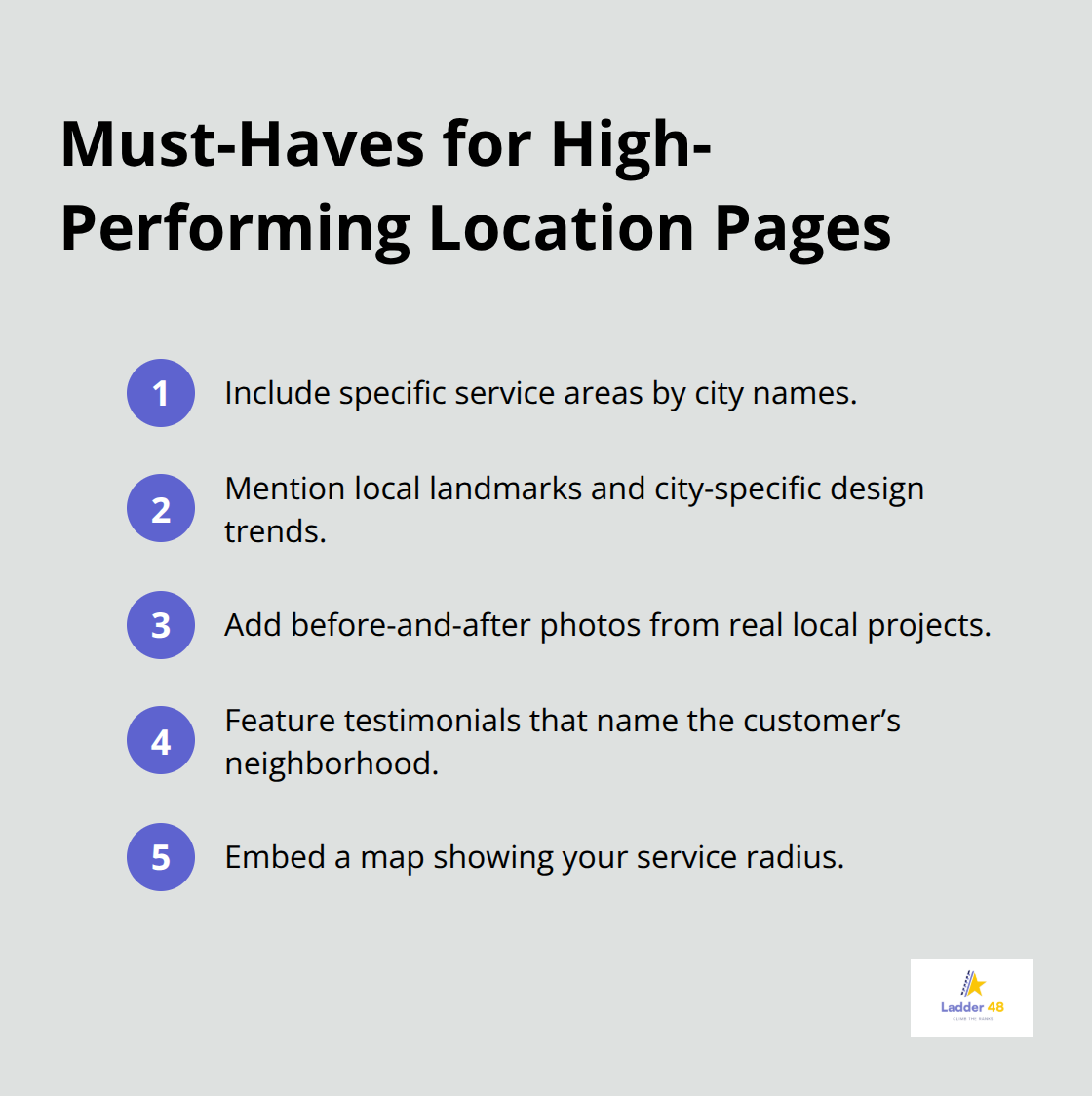
A page for kitchen remodeling in Phoenix should include specific service areas by city names rather than broad regions, mention local landmarks, and Phoenix-specific design trends. Include before-and-after photos from actual Phoenix projects, testimonials from Phoenix clients mentioning their neighborhood, and a map showing your service radius. Link these location pages to your service pages and back to your homepage to create a clear internal structure that helps Google understand your relevance.
Answer Customer Questions Directly on Your Service Pages
Address the common questions contractors hear every day directly on your pages instead of burying answers in blog posts. Questions like how much a kitchen remodel costs, how long a bathroom renovation takes, and what permits you need should have direct answers on your relevant service pages with local pricing guidance and timelines specific to your area (this approach works because potential customers search for answers to these exact questions before they contact you). Having authoritative answers on your site means you capture them before competitors do.
Final Thoughts
You now have a contractor SEO checklist that addresses the three areas where most contractors fail: technical setup, local authority, and location-specific content. Implementing all three creates a compounding effect that pushes your website higher in local search results and converts more searchers into qualified leads. Start with your technical foundation-fix site speed, verify mobile responsiveness, and implement schema markup. These changes take days, not months, and they remove barriers that prevent Google from ranking you.
Next, claim and optimize your Google Business Profile, audit your citations for consistency, and earn backlinks through real local partnerships. This phase builds the trust signals Google uses to decide which contractor appears first in local results. Finally, research the exact searches your customers perform in each service area, build location-specific pages that answer their questions, and address common concerns directly on your service pages. This content strategy ensures that when someone searches for your service in your area, your website shows up and converts them into a lead.
The contractor SEO checklist works because it addresses what Google actually rewards: technical competence, local authority, and relevant content. Most contractors skip one or two of these areas and wonder why competitors rank higher. If you want to accelerate results and avoid months of trial and error, we at Ladder 48 specialize in helping contractors implement SEO strategies that generate qualified leads.